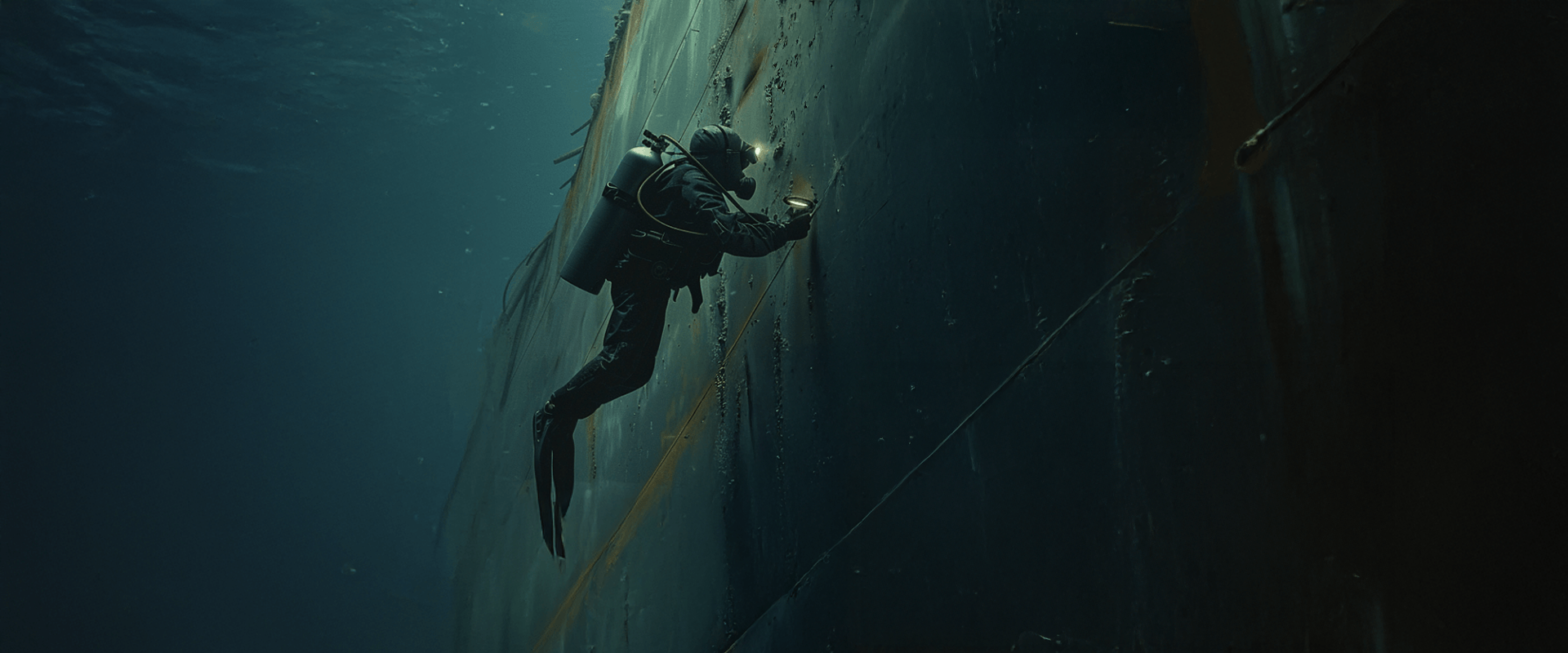
Sri Lanka’s monsoon seasons can influence the planning of underwater inspections, diving operations and other marine technical work. For vessel operators requiring underwater inspection during the South-West monsoon, Trincomalee Port on Sri Lanka’s eastern coast can provide an important alternative location for arranging such services alongside specialized Dry docking support services Sri Lanka.
In June 2026, industry representatives highlighted Trincomalee Port as a strategic location for ship repairs, underwater inspections, diving operations and marine technical services, particularly in response to changing weather and sea conditions affecting Sri Lanka’s southern and western coastal areas during the South-West monsoon.
Why Trincomalee Is Relevant During the South-West Monsoon
The South-West monsoon generally affects Sri Lanka’s western and southern coastal areas more significantly than the eastern side of the island. Trincomalee’s location on the north-eastern coast therefore provides a useful geographical alternative when planning marine operations during this period.
Trincomalee is also recognised for its large natural harbour. The harbour environment can provide sheltered areas for vessels, although the suitability of any particular underwater operation still depends on the actual sea state, wind, currents, visibility, vessel position and applicable port requirements.
Importantly, monsoon season does not automatically mean that underwater inspection can be carried out at all times. Each operation needs to be assessed according to the prevailing conditions and the requirements of the vessel and inspection scope.
What Underwater Inspection Can Cover
Underwater inspection allows qualified diving teams to examine parts of a vessel that remain below the waterline while the vessel is afloat. Depending on the vessel and the agreed scope of work, underwater inspection may include examination of:
● Hull plating and underwater hull condition, often evaluated prior to a Hull Cleaning Service In SriLanka
● Propeller and rudder
● Sea chests and gratings
● Bow and stern thrusters
● Underwater fittings and appendages
● Anodes and other underwater components
Underwater photography and video can also be used to document the condition identified during the inspection. The Sri Lanka Navy’s Diving and Salvage Unit lists underwater surveys, inspection of ship bottoms, underwater repairs and underwater photography/video among its diving activities, demonstrating that these are established categories of underwater marine operations in Sri Lanka.
Underwater Inspection Without Dry-Docking
One of the main practical advantages of an underwater inspection is that certain inspections can be performed while the vessel remains afloat, depending on the inspection requirements and applicable class or regulatory approvals.
This can allow vessel operators to assess underwater components without immediately sending the vessel to a dry dock. Underwater inspection can therefore be useful when a vessel requires a condition assessment, technical investigation or inspection within an available port stay.
However, an underwater inspection is not a replacement for dry-docking in every situation. Whether an in water inspection is acceptable depends on the purpose of the inspection, the vessel’s classification requirements, the condition of the vessel and approval from the relevant parties.
Why Trincomalee Can Be Considered During the South-West Monsoon
For vessels operating around Sri Lanka, Trincomalee can be considered as an alternative location for underwater technical work during the South-West monsoon.
The principal advantages are:
1. Eastern Coast Location
Trincomalee is located on Sri Lanka’s eastern coast, providing a different operating environment from ports on the western and southern coasts during the South-West monsoon. This geographical position is one reason the port is receiving increased attention for marine technical operations during periods when weather conditions can affect operations elsewhere in Sri Lanka.
2. Natural Harbour
Trincomalee is known for its large natural harbour. A sheltered harbour environment can be beneficial when planning diving and underwater operations, although actual working conditions must always be confirmed before mobilization.
3. Opportunity to Combine Marine Services
An underwater inspection can potentially be coordinated with other vessel requirements during the same port call, such as technical attendance, underwater repairs, Spares logistics service support and other specialized Ship engineering services. This can help vessel operators coordinate several technical requirements through one planned attendance instead of arranging separate mobilizations.
4. Reduced Dependence on Dry-Docking for Certain Inspections
Where an approved in-water inspection is appropriate, the vessel can remain afloat while the
underwater condition is assessed. This can provide vessel operators with an additional option when a dry-docking opportunity is not immediately available.
Planning Is Essential During the Monsoon
Although Trincomalee can offer an operational alternative during the South-West monsoon, underwater work should never be scheduled solely on the basis of the season.
Before mobilising a diving team, the vessel’s ETA, location, required inspection scope, weather conditions, sea state, underwater visibility, vessel movements and port permissions should be confirmed.
The diving operation should also be coordinated with the vessel’s Master, an experienced Shipping agent in Sri Lanka, the technical superintendent and, where applicable, the relevant classification society, P & I Club Representation, or inspection authority.
This is particularly important for inspections that are intended to satisfy class, statutory or other formal requirements.
Trincomalee as an Underwater Technical Support Location
The growing attention on Trincomalee for underwater inspections reflects a broader opportunity for the port to support vessel maintenance and technical operations.
For shipowners, technical managers, and Ship management companies, the availability of underwater inspection and diving support at an eastern Sri Lankan port can provide additional flexibility when planning vessel calls during the South-West monsoon.
Rather than waiting for the next suitable dry-docking opportunity for every underwater assessment, vessel operators can consider whether an approved in-water inspection is appropriate for their particular requirement.
 Husbandry Services